Creating Unique Looks with Custom Vent Design Options
When it comes to enhancing the curb appeal of your home, every detail counts. One often overlooked feature is the gable vent. These vents are not just functional; they can be a stunning design element that adds character and charm to your house. Today, we’re diving into how you can create unique looks with custom vent design options that fit your style and needs perfectly.
Custom gable vents are a fantastic way to combine form and function. They improve attic ventilation while giving your home a distinctive look. Let’s explore how you can make the most of these options!
Why Choose Custom Vent Design Options?
Standard vents are everywhere, but they don’t always match the personality of your home. That’s where custom vent design options come in. They allow you to:
Match architectural styles, from classic to modern
Choose materials that complement your exterior
Pick shapes and sizes that fit your gable perfectly
Add decorative elements that make your home stand out
Imagine a beautifully crafted wooden vent with intricate patterns or a sleek metal vent with a minimalist design. The possibilities are endless! Custom vents give you the freedom to express your style while keeping your attic well-ventilated.
Practical Benefits of Custom Vents
Besides aesthetics, custom vents offer practical advantages:
Improved airflow: Tailored sizes ensure optimal ventilation.
Durability: Choose materials that withstand your local weather.
Energy efficiency: Proper ventilation helps regulate attic temperature, reducing energy costs.
Increased home value: Unique features can boost curb appeal and resale value.
Custom vent design options are an investment that pays off in both beauty and function.
What is the 1 300 Vent Rule?
Understanding ventilation requirements is key to choosing the right vent. The 1 300 vent rule is a guideline used to calculate the amount of ventilation needed for your attic space.
Here’s how it works:
For every 1,300 square feet of attic floor space, you need 1 square foot of net free vent area.
This vent area should be split evenly between intake vents (usually soffit vents) and exhaust vents (like gable vents).
Proper balance ensures air flows smoothly, preventing moisture buildup and heat damage.
For example, if your attic is 1,300 square feet, you’ll want about 0.5 square feet of intake vents and 0.5 square feet of exhaust vents. Custom vents can be designed to meet these exact specifications, ensuring your attic stays healthy and your home stays comfortable.
Designing Your Custom Gable Vents
Now, let’s get creative! Designing your custom gable vents involves several exciting choices:
1. Shape and Style
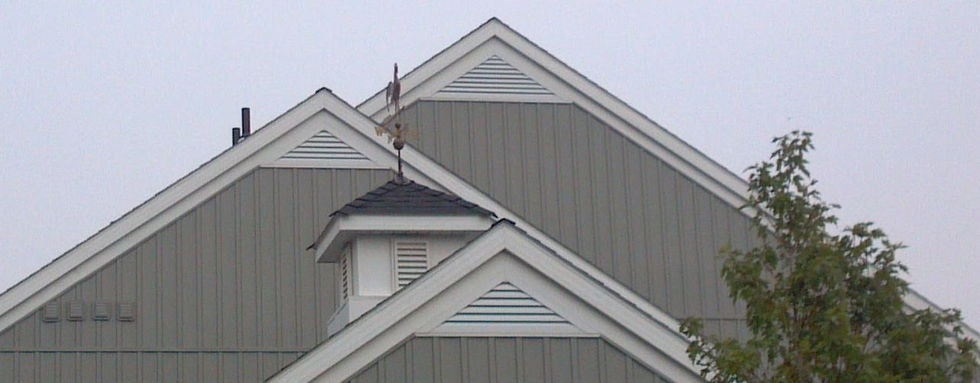
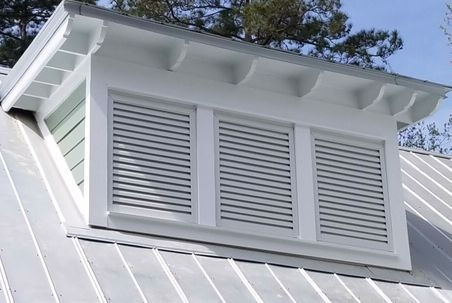
Traditional shapes: Rectangular, square, or circular vents fit classic homes.
Unique shapes: Arches, diamonds, or even custom cutouts add flair.
Decorative patterns: Lattice, sunbursts, or geometric designs can be incorporated.
2. Material Selection
Wood: Offers warmth and can be painted or stained.
Metal: Durable and modern, with options like aluminum, steel or copper.
Vinyl: Low maintenance and cost-effective.
3. Color and Finish
Match your home’s trim or siding for a cohesive look.
Use contrasting colors to make the vent a focal point.
Consider weather-resistant finishes for longevity.
4. Size and Placement
Measure your gable accurately.
Ensure the vent size meets ventilation needs.
Position vents symmetrically or asymmetrically for visual interest.
By mixing and matching these elements, you can create a vent that’s truly one-of-a-kind.

Installation Tips for Custom Vents
Installing custom vents might seem daunting, but with the right approach, it’s manageable. Here’s what to keep in mind:
Prepare the opening: Ensure the gable opening is clean and sized correctly.
Use proper flashing: Prevent water infiltration by installing flashing around the vent.
Seal gaps: Use caulk or foam to seal any gaps for energy efficiency.
Secure firmly: Use screws or nails appropriate for the vent material.
Check airflow: After installation, verify that air moves freely through the vent.
If you’re a DIYer, take your time and follow manufacturer instructions carefully. Contractors will appreciate having precise measurements and design details ready before starting.
Enhancing Your Home’s Exterior with Custom Vents
Custom vents do more than ventilate; they elevate your home’s exterior. Here are some ideas to maximize their impact:
Coordinate with shutters and trim: Create a harmonious look by matching styles.
Add lighting: Highlight vents with subtle exterior lighting for nighttime appeal.
Use multiple vents: Balance large gables with several smaller vents for rhythm.
Incorporate seasonal decor: Use vents as a backdrop for wreaths or holiday decorations.
These small touches can make your home feel welcoming and well-cared-for.

Final Thoughts on Custom Vent Design Options
Custom vent design options open up a world of possibilities. They let us blend beauty with function, creating homes that breathe well and look fantastic. Whether you want a subtle upgrade or a bold statement, custom gable vents can deliver.
Remember, the right vent design improves airflow, protects your home, and adds unique charm. So, why settle for ordinary when you can have extraordinary? Let’s make your home stand out with custom vent design options that fit your vision perfectly!

Comments